













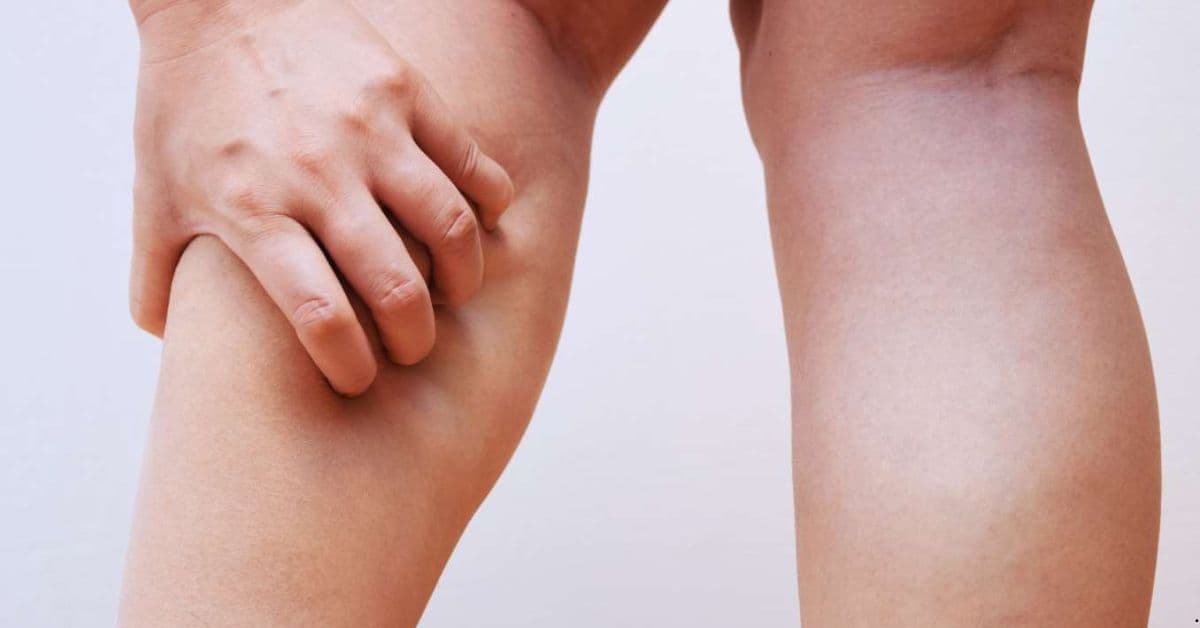
Waking up in the middle of the night to a sudden, sharp, and involuntary pain in your calf or thigh is an experience many people know all too well. This is a leg cramp, and the pain can be intense, lasting from a few seconds to several minutes, often leaving the muscle sore and tender long after.
While usually harmless, frequent leg cramps can destroy your sleep, limit your mobility, and significantly lower your quality of life. The good news is that they can often be prevented and treated with simple, natural solutions.
What Causes Leg Cramps?
The exact trigger isn’t always clear, but cramps are most often linked to a combination of these factors:
- Dehydration: Not drinking enough water disrupts your body’s electrolyte balance.
- Nutritional Deficiencies: Low levels of key minerals, especially magnesium, potassium, or calcium.
- Muscle Overexertion: Intense exercise, heavy lifting, or standing for long hours.
- Inactivity: Sitting or standing in one position for too long can strain muscles.
- Medical Triggers: Pregnancy, kidney disease, thyroid issues, or poor circulation can increase cramp frequency.
- Medications: Some drugs, including diuretics and statins, can cause cramps as a side effect.
Natural Ways to Prevent Leg Cramps
1. Move and Stretch Daily – Inactivity and muscle tightness are primary triggers. Gentle daily exercise, like walking or swimming, improves circulation. Most importantly, stretch regularly. Focus on your calves, thighs, and hamstrings, especially before bed and after exercise, to keep muscles loose and flexible.
2. Hydrate Properly – Dehydration is one of the most common and easily fixed causes of cramps. Water is essential for regulating muscle contractions. Aim to drink enough water throughout the day, increasing your intake if you exercise or are in a hot climate.
3. Boost Key Minerals (Especially Magnesium) – Magnesium is often called the “relaxation mineral” because it helps muscles relax after contracting.
- Diet: Eat more magnesium-rich foods, such as nuts, seeds, leafy greens (like spinach), and whole grains.
- Epsom Salt Baths: A warm bath with one or two cups of Epsom salt (magnesium sulfate) for 20 minutes before bed can relax muscles and improve sleep.
- Magnesium Oil Spray: For a direct approach, apply a magnesium oil spray to your legs before bed. You can make your own by dissolving half a cup of magnesium chloride flakes in half a cup of hot distilled water and pouring it into a spray bottle.
How to Stop a Cramp in the Moment
When a cramp strikes, you need fast relief:
- Stretch: Gently and firmly stretch the cramped muscle. For a calf cramp, flex your foot, pulling your toes up toward your shin.
- Massage: Apply firm, gentle pressure to the knotted muscle to help it release.
- Apply Heat: A heating pad or warm towel can loosen the tight muscle and increase blood flow.
- Apply Cold (After): If the muscle is sore after the spasm, a cold pack can reduce tenderness.
When to See a Doctor
Occasional leg cramps are normal. However, you should consult a doctor if your cramps are:
- Extremely frequent (happening nightly)
- Stretching doesn’t bring relief
- Accompanied by swelling, redness, or weakness
Persistent cramps may be a sign of an underlying health condition, such as a circulatory problem, nerve issue, or thyroid disorder.
Vau.ge – Your Daily Guide for Practical Advice!
Vau.ge is a place where caring for your health, beauty, and daily routines becomes a natural, accessible, and enjoyable experience. Our main goal is to provide you with reliable information about natural remedies, homemade recipes, and practical tips that help you live a healthier life, look better, and simplify your everyday tasks without unnecessary expenses.
Our tips are easy to incorporate into your everyday life — whether it’s skincare, haircare, health-boosting remedies, or small tricks to save time. This knowledge will not only improve your own life but also allow you to share the experience with others, giving more people the chance to live a balanced life naturally and economically.
Please note: The articles on our website are for informational purposes only and do not replace professional medical advice. If you have serious health concerns, please consult a qualified specialist.