




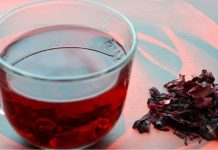

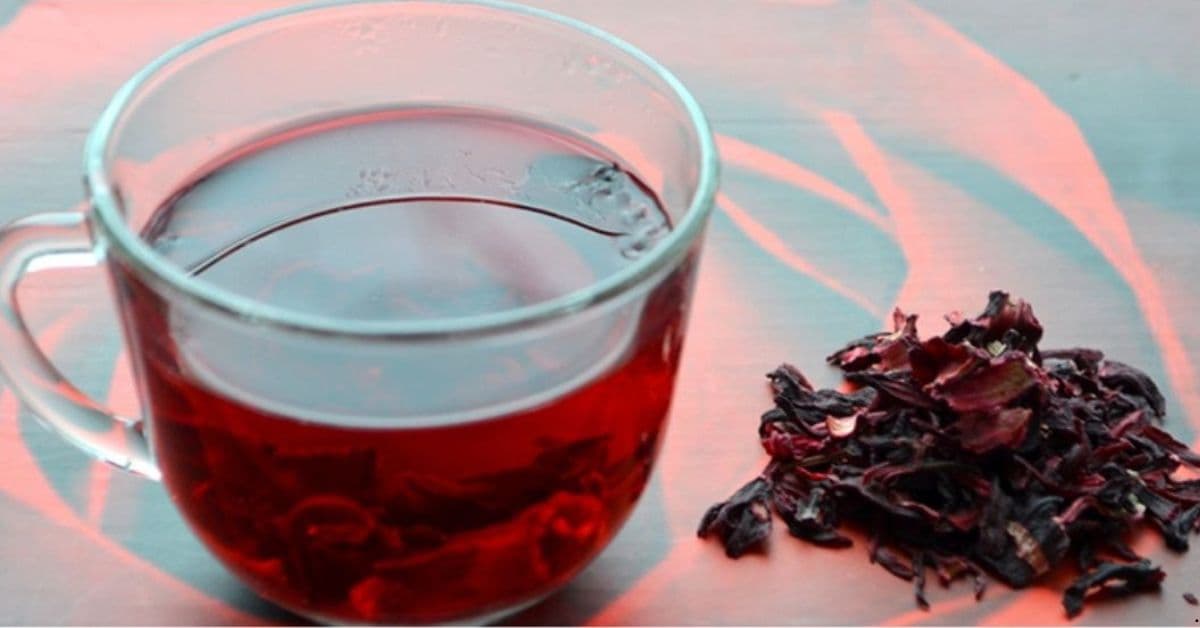
Karkade tea is not only very delicious, but it also has extraordinary medicinal properties!
In Sudan, they pour cold water over the leaves and let it steep for two days; this way, it retains all its beneficial properties.
Substances like anthocyanins play an important role in the health of our cardiovascular system. They prevent diseases and act as a kind of immunity for the heart and blood vessels. The Karkade flowers used in the tea contain a large amount of anthocyanins.
By the way, these are the substances that give the tea its rich red color. They also have a collagen-stabilizing effect, which is very useful for maintaining the youthfulness of our skin!
Karkade tea will improve the condition of the genitourinary system because it has a diuretic effect. The pectin contained in the drink removes salts from the body and cleanses the genitourinary system.
This medicinal drink can improve eyesight!
The substance quercetin, which is also part of the Karkade flowers, has a beneficial effect on our eyesight. It is not for nothing that Arabs not only drink Karkade tea but also eat all the leftover leaves from the tea after drinking it. After all, they are a storehouse of beneficial, rare vitamins that our body really needs!
The cleansing properties of Karkade tea cannot be ignored! These beautiful flowers can remove toxins from the body. Furthermore, it perfectly fights constipation and other disorders of the gastrointestinal tract. And during festive occasions, such tea will be very effective because Karkade can quite successfully cope with a hangover.
And these are not all the beneficial properties of this tea; it also has:
- An antibacterial effect,
- Can relieve you of fatigue and depression,
- Free you from stress.
At the end of a tiring day, drinking this tea is a real relief. You can use it in any season of the year. In the hot summer, you can chill the tea in the refrigerator and drink it cold, while in winter, a hot cup of tea will simply warm and calm you.
Get all the benefits of this plant by drinking just one cup of this delicious tea!
More about the specific health benefits of anthocyanins and quercetin
Both anthocyanins and quercetin are powerful compounds found in plants (phytonutrients), and Karkade tea (Hibiscus sabdariffa) is particularly rich in them. They are responsible for many of the medicinal claims associated with the tea.
Here is a breakdown of the specific, scientifically-backed health benefits of each:
Anthocyanins (The Color Pigments)
Anthocyanins are pigments that give fruits, vegetables, and flowers (like Karkade) their deep red, purple, and blue hues. They are potent antioxidants.
1. Cardiovascular Health
- Blood Pressure Reduction: This is one of the most well-studied benefits of Karkade tea, directly attributed to its high anthocyanin content. Studies suggest anthocyanins act as a natural ACE inhibitor, helping to relax blood vessels (vasodilation) and lower high blood pressure.
- Cholesterol Management: They help prevent the oxidation of LDL (“bad”) cholesterol, which is a key step in the formation of plaque in the arteries, thus reducing the risk of atherosclerosis and heart disease.
- Vascular Protection: As the text mentioned, they strengthen the walls of blood vessels and capillaries, improving the overall health of the cardiovascular system.
2. Anti-Inflammatory Effects
Anthocyanins actively inhibit enzymes that cause inflammation in the body. This systemic anti-inflammatory action can benefit conditions ranging from joint pain to chronic diseases.
3. Maintaining Skin Youthfulness (Collagen Stabilization)
They help protect collagen—the protein responsible for skin elasticity and structure—from degradation caused by free radicals and oxidative stress. This supports the claim that Karkade tea is beneficial for maintaining youthful skin.
Quercetin (The Flavonoid)
Quercetin is a powerful plant flavonoid found in many foods, including apples, onions, berries, and Karkade flowers.
1. Improved Eyesight and Eye Health
Protection Against Oxidative Stress: Quercetin acts as a strong antioxidant in the eye, protecting the delicate structures from damage caused by free radicals and excessive light exposure.
Cataract and Macular Degeneration: Research suggests that Quercetin may help prevent or slow down the progression of age-related eye diseases, such as cataracts and macular degeneration, supporting the traditional claim that the tea “improves eyesight.”
2. Allergy and Immune Support (Natural Antihistamine)
Quercetin is known as a natural mast cell stabilizer. It helps inhibit the release of histamines and other inflammatory chemicals in the body that cause allergy symptoms (such as runny nose, watery eyes, and itching). This makes it beneficial for managing seasonal allergies and mild asthma symptoms.
3. Potential Anti-Cancer Properties
It has been widely studied for its ability to induce apoptosis (programmed cell death) in various types of cancer cells and to prevent the proliferation of tumor cells.
In summary, the combined action of anthocyanins (focused on the heart and blood vessels) and quercetin (focused on immunity and eyes) is what makes Karkade tea such a potent traditional remedy.
Vau.ge – Your Daily Guide for Practical Advice!
Vau.ge is a place where caring for your health, beauty, and daily routines becomes a natural, accessible, and enjoyable experience. Our main goal is to provide you with reliable information about natural remedies, homemade recipes, and practical tips that help you live a healthier life, look better, and simplify your everyday tasks without unnecessary expenses.
Our tips are easy to incorporate into your everyday life — whether it’s skincare, haircare, health-boosting remedies, or small tricks to save time. This knowledge will not only improve your own life but also allow you to share the experience with others, giving more people the chance to live a balanced life naturally and economically.
Please note: The articles on our website are for informational purposes only and do not replace professional medical advice. If you have serious health concerns, please consult a qualified specialist.