









Aloe is a medicinal and healing miraculous remedy!
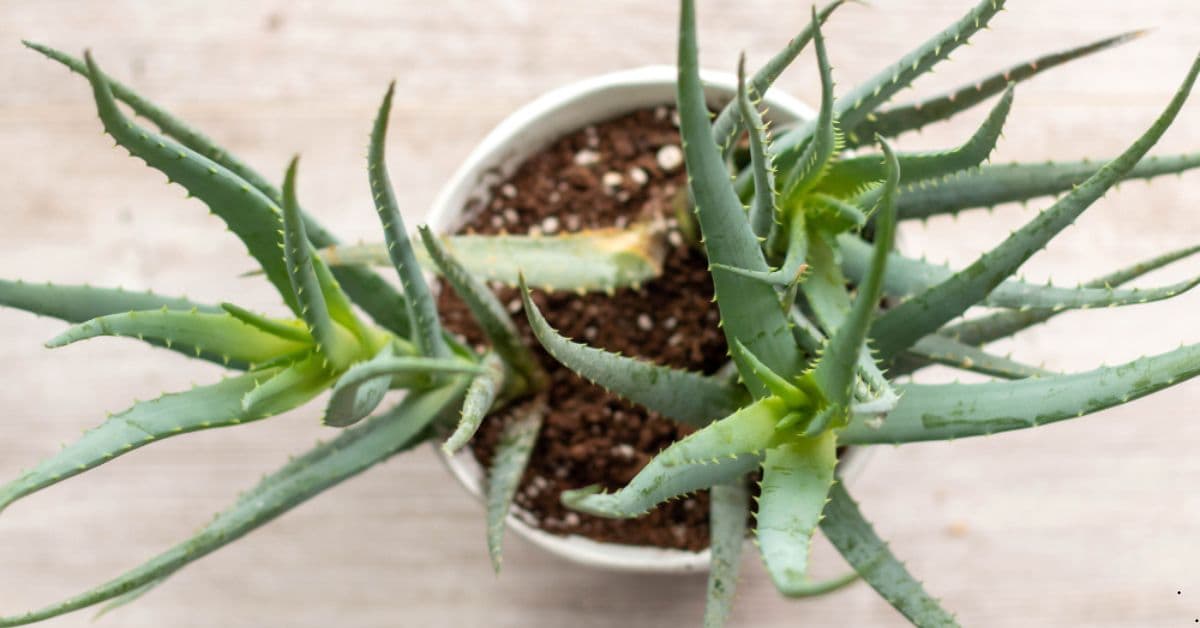
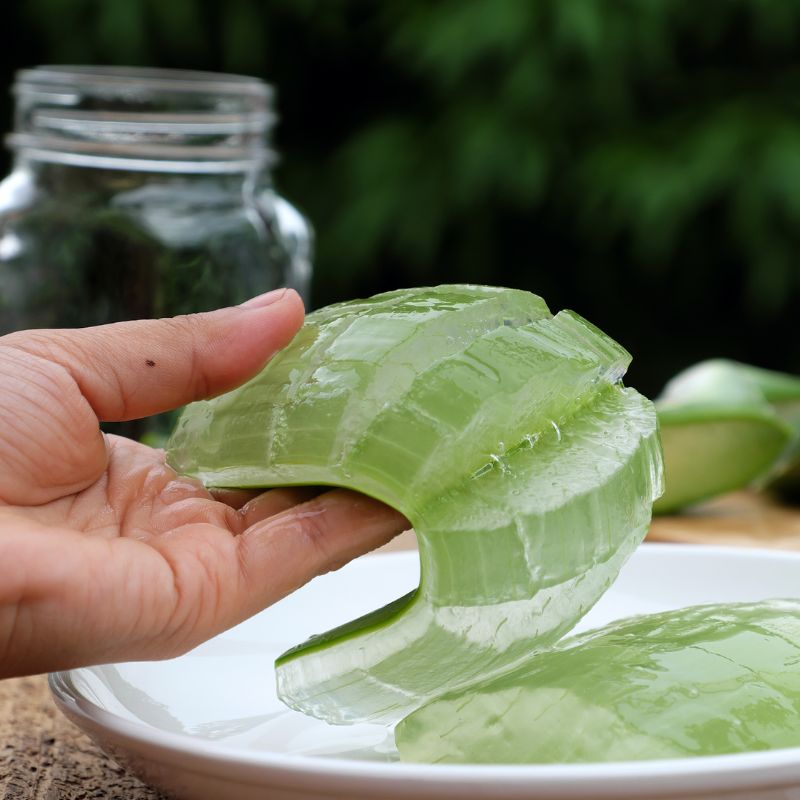
Aloe vera is not only very useful for your organism, also it is easy to find it in your own home. If this plant grows in your home, it is important to know, that aloe vera needs rare watering and intermittent sun light. Aloe vera’s small, wide leaves, which are full of gel and can be used for treatment. Just divide one leaf in half and squeeze out gel from it!
Here is a full list of all aloe vera’s useful properties:
- treats acne and eczema
- reduces rashes, wrinkles and other skin problems
- helps in burns’ healing
- relieves irritation and itching
- moisturizes skin
- heals wounds
- is used as a hair conditioner and anti hair loss shampoo
- is an ideal shaving gel
Aloe vera for internal use:
- raises immunity
- regulates blood sugar level
- prevents digestive disorders, such as bloating, constipation, colitis and soothes stomach
- helps with heartburn and digestion
- improves heart’s work and blood’s quality
- maintains gums’ health
- reduces arthritis inflammation’s risk
- strengthens urinary tract’s function
- helps with white blood cells’ production
This plant comes from North Africa and first the Egyptians discovered it. They presented about twelve different recipes, of how to use aloe vera for medicinal purposes. Since then aloe vera became a remedy for many diseases and found its place in traditional and alternative medicine.
Caring for an aloe vera plant is straightforward, as it’s a hardy plant that doesn’t need much attention. The key is to mimic its natural desert habitat.
Light and Location
Aloe thrives in bright, indirect sunlight. Place your plant near a south- or west-facing window where it can get plenty of light but isn’t exposed to direct, harsh sun for too long, as this can burn the leaves.
Watering
This is the most common mistake people make with aloe. It’s a succulent, so it stores water in its leaves and doesn’t like to be overwatered.
- Wait until the soil is completely dry before you water it again. You can check this by sticking your finger about two inches into the soil.
- When you do water, do it thoroughly until water runs out of the drainage holes at the bottom of the pot.
- During winter, the plant’s growth slows down, so you can water it even less frequently.
Soil and Potting
Use a well-draining soil mix, like one made for cacti and succulents. This helps prevent the roots from sitting in soggy soil, which can lead to rot. Make sure the pot has drainage holes at the bottom.
Common Problems
- Yellow or brown leaves: This often means the plant is getting too much direct sun. Move it to a shadier spot.
- Soft, mushy leaves: This is a clear sign of overwatering. Let the soil dry out completely before watering again.
- Brown or crispy tips: This can be a sign of underwatering.
- No growth: If the plant isn’t growing, it might not be getting enough light.
By following these simple steps, you can keep your aloe vera plant healthy for many years.
Vau.ge – Your Daily Guide for Practical Advice!
Vau.ge is a place where caring for your health, beauty, and daily routines becomes a natural, accessible, and enjoyable experience. Our main goal is to provide you with reliable information about natural remedies, homemade recipes, and practical tips that help you live a healthier life, look better, and simplify your everyday tasks without unnecessary expenses.
Our tips are easy to incorporate into your everyday life — whether it’s skincare, haircare, health-boosting remedies, or small tricks to save time. This knowledge will not only improve your own life but also allow you to share the experience with others, giving more people the chance to live a balanced life naturally and economically.
Please note: The articles on our website are for informational purposes only and do not replace professional medical advice. If you have serious health concerns, please consult a qualified specialist.