





Mravaldzarghva preparations have anti-inflammatory, wound-healing, hemostatic, diuretic, and hypotensive effects. It is used for hypertension and atherosclerosis, acute and chronic respiratory diseases:
- The juice and infusion of plant leaves are an excellent expectorant.
- The plant is used for diseases of the gastrointestinal tract,
- gastritis,
- peptic ulcer of the stomach and duodenum,
- acute and chronic enteritis,
- ulcerative colitis.
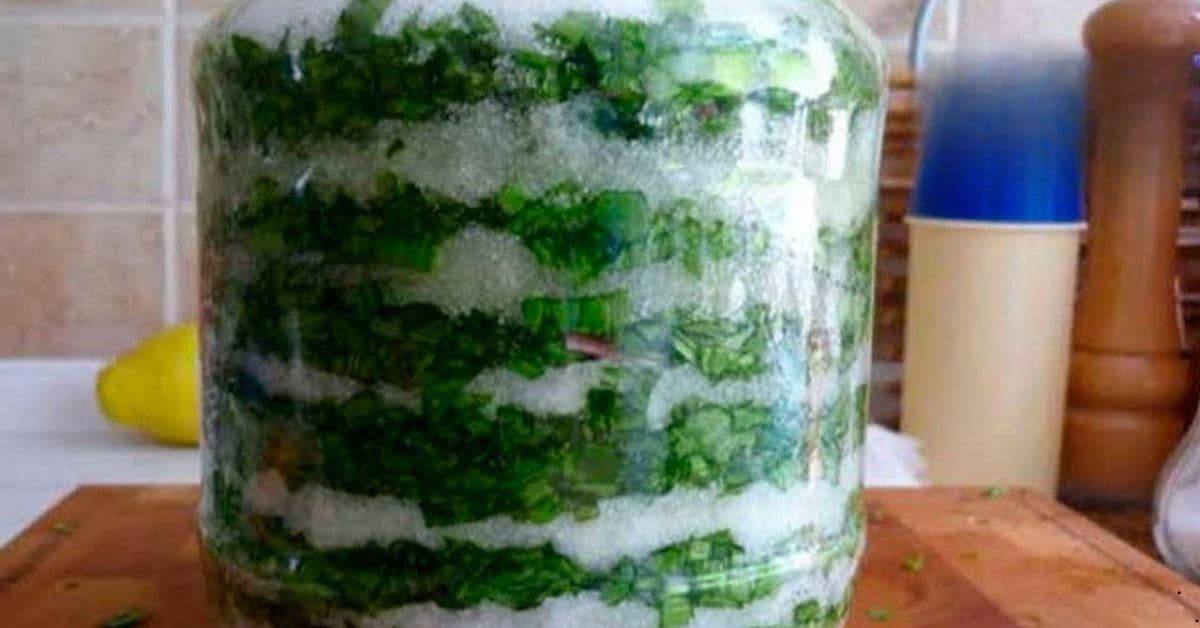
For chronic spastic colitis, prepare 1 kg of Mravaldzarghva and 1 kg of sugar. Wash the leaves well, dry them, arrange them in layers, sprinkle with sugar (a layer of sugar for every 4-5 layers of leaves), in an enamel dish or a glass jar. After packaging, place in a dark place for 3-4 weeks. You will get a dark swamp-colored mixture. Strain and store in the refrigerator. Take 1 tbsp 3 times a day. spoon 30 minutes before a meal.
Mravaldzarghva juice with honey
The well-washed leaves are cut, juice is squeezed from them, the same amount of honey is added, and it is boiled for 20 minutes.
Take 1 tbsp. spoon 3 times a day 15-20 minutes before a meal for gastritis, colitis, and colic. Store in a tightly closed container in a cool place. For winter, vodka is added to the juice in the same proportion.
I will tell you how my mother cured her sick lungs.
My mother quickly started to lose weight and also developed a severe cough. One of our relatives taught us the recipe:
You will need:
- 500 g of sugar,
- 400 g of Mravaldzarghva leaves,
- 0.5 cup of water.
The leaves should be cut as finely as possible, then add all the other ingredients and simmer over low heat until the mixture turns light brown. Then transfer to a jar. Take 1 tbsp. at any time of the day, but always on an empty stomach.
The medicine turned out to have a very pleasant taste, and my mother also started treatment. Soon her appetite increased, and she began to recover.
You try it too! We wish you health!
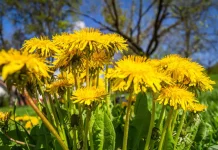
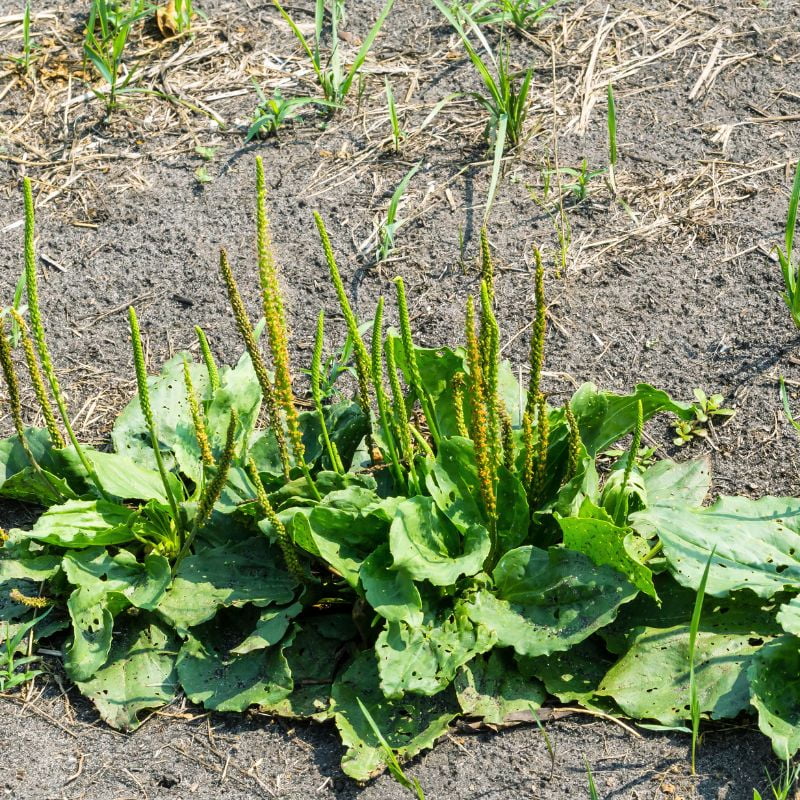
Mravaldzarghva is a very common plant that is often considered a weed. It’s native to Europe and Asia but has spread all over the world, including Georgia. You can find it in a variety of locations:
- Lawns and gardens: It’s a very common sight in yards, especially in areas with poor or compacted soil.
- Roadsides and footpaths: It’s known for its ability to grow in disturbed, hard-packed ground. In fact, some Native American tribes called it “white man’s footprint” because it would sprout in the disturbed soil where European settlers had trod.
- Fields and meadows: It’s a hardy plant that can be found in a wide range of habitats.
There are different types of Mravaldzarghva, such as broadleaf Mravaldzarghva and narrowleaf Mravaldzarghva, but they share similar characteristics.
Important Note: If you plan to forage for Mravaldzarghvafor medicinal use, be very careful. Do not harvest plants from areas that have been treated with pesticides or are near busy roads, as they may be contaminated with pollutants. It’s always best to find it in a clean, wild area away from human activity.
Vau.ge – Your Daily Guide for Practical Advice!
Vau.ge is a place where caring for your health, beauty, and daily routines becomes a natural, accessible, and enjoyable experience. Our main goal is to provide you with reliable information about natural remedies, homemade recipes, and practical tips that help you live a healthier life, look better, and simplify your everyday tasks without unnecessary expenses.
Our tips are easy to incorporate into your everyday life — whether it’s skincare, haircare, health-boosting remedies, or small tricks to save time. This knowledge will not only improve your own life but also allow you to share the experience with others, giving more people the chance to live a balanced life naturally and economically.
Please note: The articles on our website are for informational purposes only and do not replace professional medical advice. If you have serious health concerns, please consult a qualified specialist.