






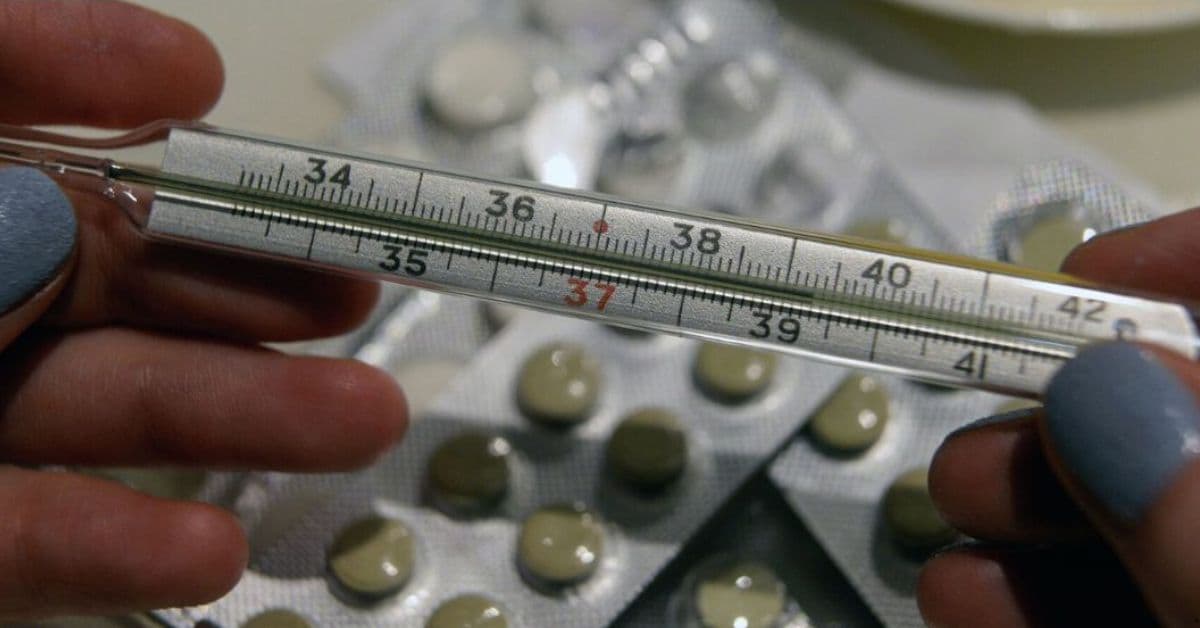
Is it possible or not to lower temperature without medicines? Yes, it is possible! For example, with folk remedies.
When a fever spikes, many people’s first instinct is to reach for medication. But what if you want to support your body’s natural processes or prefer to reduce a temperature without pharmaceuticals? It is indeed possible, and this guide explores the most effective natural methods to do just that. From simple physical adjustments and time-tested folk remedies to the use of specific medicinal plants, there are several ways to find relief and manage a high temperature.
- First method: You must take off warm clothes, throw off the blanket, that is, in this way you are giving permission to excess heat to leave the body.
- Second method: Wipe the body with a damp and not wet towel. Repeat the procedure every 30 minutes.
- Third method: Place compresses under the arms, on the back of the head, in the liver area, and in the groin folds.
- Fourth method: Drink a lot of fluid of the same temperature as the body’s.
- Fifth method: Eat one grapefruit, half a lemon or two oranges.
- Sixth method: Ventilation of the room.
Effective fever-reducing medicinal plants:
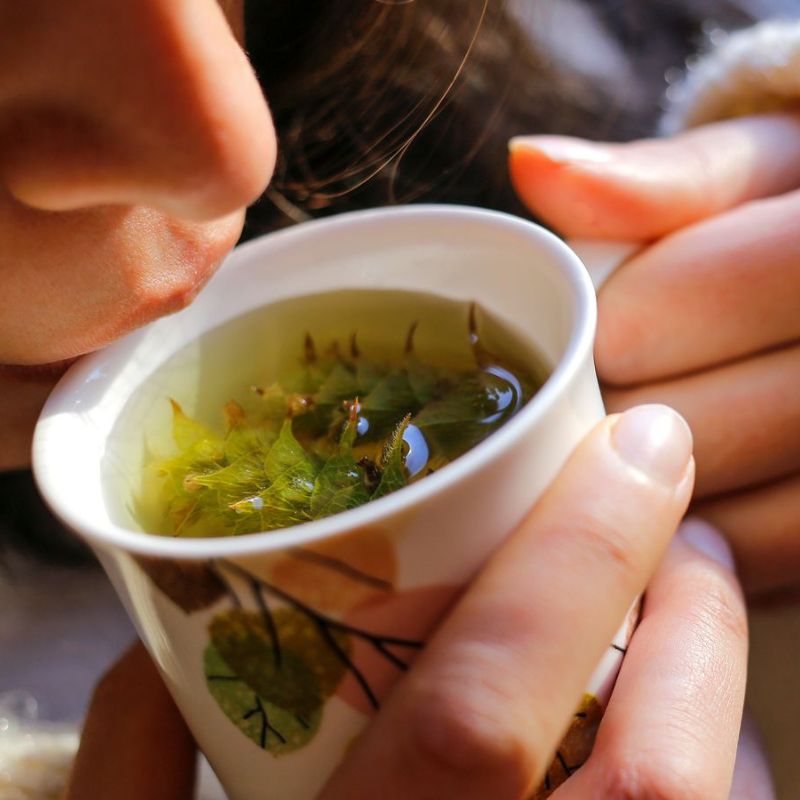
- Raspberry stalk (the thicker the stalk, the better) – the strongest diaphoretic and fever-reducer – is boiled for 20-30 minutes, until it becomes dark raspberry color and is drunk in several doses (flowers and dried fruit are also effective);
- Linden flowers – brew with one apple peel, add honey and quickly drink from three to five cups one after another as a hot infusion;
- Willow bark – salicylic acid’s natural source – 20 g of grated bark boil in 200 ml of boiling water, let it stand for 30 minutes and drink one tablespoon 5-6 times a day;
- Currant leaves and buds – brew and drink like tea.
Mint’s, chamomile’s and centaury’s herb, oregano, thyme, strawberry’s and blackberry’s leaves also have fever-reducing and diaphoretic properties.
In conclusion, combating a fever doesn’t always require immediate pharmaceutical intervention. By employing these natural methods—such as allowing the body to release heat, applying cooling compresses, ensuring proper hydration, and utilizing the potent antipyretic properties of plants like raspberry stalk, linden flower, and willow bark—it is possible to manage and reduce a temperature effectively. These approaches offer powerful, natural tools for managing fever, though it is always crucial to monitor the condition and consult a doctor if the temperature remains persistently high or is accompanied by other severe symptoms.
General Recommendations for Managing a Fever
Having a fever is a sign that your body is fighting off an infection or illness. While a low-grade fever can often be left to run its course, these steps can help you stay comfortable and safe when your temperature is high.
1. Prioritize Hydration
A fever can cause significant fluid loss through sweating, which can lead to dehydration.
Drink Plenty of Fluids: Water is best, but you can also have clear broths, herbal teas (like the ones you mentioned), or electrolyte-replacement drinks.
- Avoid Caffeine and Alcohol: These can be dehydrating.
- A Good Sign: You should be urinating regularly, and your urine should be light-colored.
2. Get Ample Rest
Your body is working overtime to fight an infection.
- Sleep: Get as much sleep as possible.
- Limit Activity: Avoid any strenuous physical activity. Resting allows your immune system to function at its best.
3. Stay Comfortable (Don’t Overdo It)
The goal is to be comfortable, not to force your temperature down with extreme measures.
- Dress Lightly: Wear light, breathable clothing.
- Use Light Bedding: Use only a light sheet or blanket. Over-bundling (like with heavy blankets) can trap heat and make your temperature rise even higher.
- Lukewarm Sponging: As mentioned in your text, a lukewarm (not cold) bath or sponge bath can be soothing.
Important: Never use cold water, ice, or rubbing alcohol. Cold water or ice can cause shivering, which actually increases your core body temperature. Rubbing alcohol can be absorbed through the skin and is toxic.
4. Monitor the Situation
Keep track of your temperature and other symptoms.
- Check Your Temperature: Use a reliable thermometer.
- Note Other Symptoms: Are you also experiencing a severe headache, stiff neck, rash, or difficulty breathing? These are important to tell a doctor.
5. Use Over-the-Counter (OTC) Medication (If Needed)
If the fever is making you very uncomfortable or is above (38.9C), you can consider medication.
- Common Options: Acetaminophen (e.g., Tylenol) or Ibuprofen (e.g., Advil, Motrin) are effective fever-reducers.
- Follow Directions: Always follow the dosage instructions on the package.
- Caution: Do not give Aspirin to children or teenagers, as it is linked to a rare but serious condition called Reye’s syndrome.
Vau.ge – Your Daily Guide for Practical Advice!
Vau.ge is a place where caring for your health, beauty, and daily routines becomes a natural, accessible, and enjoyable experience. Our main goal is to provide you with reliable information about natural remedies, homemade recipes, and practical tips that help you live a healthier life, look better, and simplify your everyday tasks without unnecessary expenses.
Our tips are easy to incorporate into your everyday life — whether it’s skincare, haircare, health-boosting remedies, or small tricks to save time. This knowledge will not only improve your own life but also allow you to share the experience with others, giving more people the chance to live a balanced life naturally and economically.
Please note: The articles on our website are for informational purposes only and do not replace professional medical advice. If you have serious health concerns, please consult a qualified specialist.