















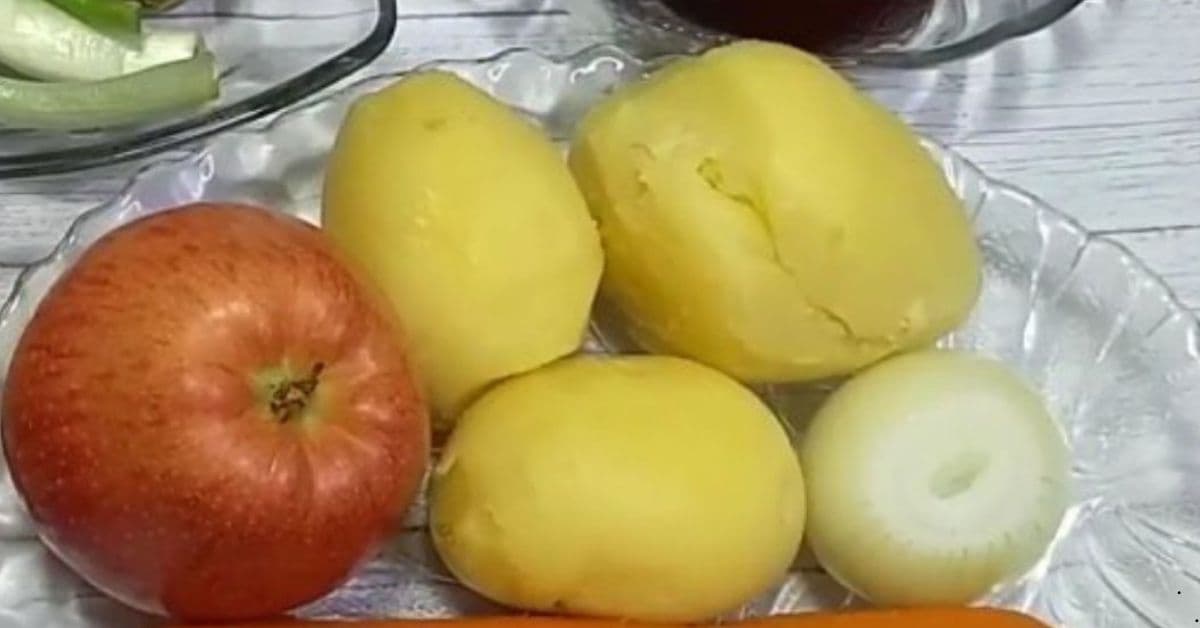
The article provides recipes for natural cough remedies that are absolutely safe for children. They will also help adults, but for this the dose should be increased 3 times.
Recipe 1
Boil an apple, an onion, and a potato in 1 liter of water on low heat until the volume of the liquid is reduced by about 2 times. Take 1 tsp of the ready juice 3 or 4 times a day. Adults should take – 3 tbsp 3 or 4 times a day.
Recipe 2
An excellent natural expectorant is fresh cabbage juice with sugar, taken in equal proportions. No less effective is a cabbage decoction with organic honey (1:1).

Recipe 3
Pour 200 ml of water into a pot and add 1 tbsp. of pine buds. Put it on the heat and bring it to a boil. Then let it stand for half an hour to 1 hour, in order to strain and squeeze. Drink 1-2 tbsp. 3 or 4 times a day.
Recipe 4
Mix honey and room temperature olive oil in equal proportions. Children should be given 1 tsp. 3 or 4 times a day. It even helps to cure whooping cough.
Recipe 5
Place 1 lemon in water (with the peel) and boil it on low heat for 10 minutes. After the lemon cools, peel the skin and squeeze the juice. Add natural honey to it in a 1:1 ratio and mix well. Take 2 or 3 times a day 1 tsp one hour before meals.
We remind you once again that when treating an adult, for effectiveness, these doses should be increased 3 times.
Let’s break down why each component is believed to be effective for treating coughs.
Onion, Apple, and Potato (Recipe 1)
This combination creates a nutrient-rich, soothing decoction.
- Onion: This is the primary active ingredient. Onions are rich in quercetin, a powerful antioxidant with anti-inflammatory properties, and sulfur compounds. These compounds act as a natural expectorant, helping to thin and loosen mucus in the airways, making it easier to cough up phlegm.
- Apple: Apples also contain quercetin and are a good source of Vitamin C and natural sugars for energy when you’re sick. They help make the decoction more palatable.
- Potato: The starch from the potato makes the liquid slightly thicker, which can help to soothe an irritated throat. It is also a source of Vitamin C.
Cabbage and Sugar (Recipe 2)
This recipe creates a simple syrup to draw out cabbage’s beneficial properties.
- Cabbage: Fresh cabbage juice is a traditional remedy known for its anti-inflammatory properties. It’s also very high in Vitamin C, which supports the immune system.
- Sugar: In this context, sugar is used to create an osmotic syrup. It draws the liquid and nutrients out of the cabbage, creating a concentrated and easy-to-take remedy.
Pine Buds (Recipe 3)
This is a classic European folk remedy for respiratory issues.
- Pine Buds: They are rich in resins and essential oils that have natural antiseptic and expectorant properties. When you boil them, you release these volatile compounds. Inhaling the steam can help open up airways, and drinking the decoction helps to loosen and clear stubborn phlegm.
Honey (Used in Recipes 2, 4, 5)
Honey is one of the most effective and well-researched natural cough remedies.
- Demulcent (Soothing): It’s a demulcent, meaning it forms a thick, protective coating over the irritated tissues of the throat. This soothes the “tickle” and reduces the cough reflex.
- Cough Suppressant: Clinical studies have shown that honey can be as effective as some over-the-counter cough suppressants.
- Antimicrobial: Natural honey has antibacterial properties that can help fight off germs.
Olive Oil (Recipe 4)
When combined with honey, olive oil enhances the soothing effect.
- Soothing and Lubricating: It adds to the coating effect of the honey, further lubricating a dry, scratchy throat.
- Anti-inflammatory: High-quality olive oil contains oleocanthal, a compound with anti-inflammatory effects similar to ibuprofen.
Lemon (Recipe 5)
Lemon is a classic ingredient for colds and coughs.
- High in Vitamin C: Vitamin C is essential for a strong immune system, helping your body fight off the underlying infection causing the cough.
- Breaks up Mucus: The acidity of the lemon can help to thin and break up phlegm.
- The Overall Principle: Most of these recipes work on a few key principles: loosening mucus (expectorants like onion and pine buds), soothing throat irritation (demulcents like honey, potato starch, and olive oil), and supporting the immune system (with Vitamin C from lemon, apple, etc.).
- Important Disclaimer: These are traditional remedies for relieving the symptoms of a common cough. They are not a cure for serious underlying conditions like pneumonia or chronic bronchitis. If a cough is severe, persistent for more than a week, accompanied by a high fever, or causes difficulty breathing, it is essential to see a doctor. Also, remember that honey should never be given to children under one year old.
Vau.ge – Your Daily Guide for Practical Advice!
Vau.ge is a place where caring for your health, beauty, and daily routines becomes a natural, accessible, and enjoyable experience. Our main goal is to provide you with reliable information about natural remedies, homemade recipes, and practical tips that help you live a healthier life, look better, and simplify your everyday tasks without unnecessary expenses.
Our tips are easy to incorporate into your everyday life — whether it’s skincare, haircare, health-boosting remedies, or small tricks to save time. This knowledge will not only improve your own life but also allow you to share the experience with others, giving more people the chance to live a balanced life naturally and economically.
Please note: The articles on our website are for informational purposes only and do not replace professional medical advice. If you have serious health concerns, please consult a qualified specialist.